Bringing about lasting change in educational practices requires time, constant attention to the realities on the ground, and the ability to adjust approaches based on the lessons learned. The latest progress reports from Graines de Paix in Switzerland, Benin, and Côte d’Ivoire reflect this dynamic: each program is at a different stage, but all share the same goal—to create educational environments that are safer, more inclusive, and more conducive to learning.
Tailor responses to specific contexts
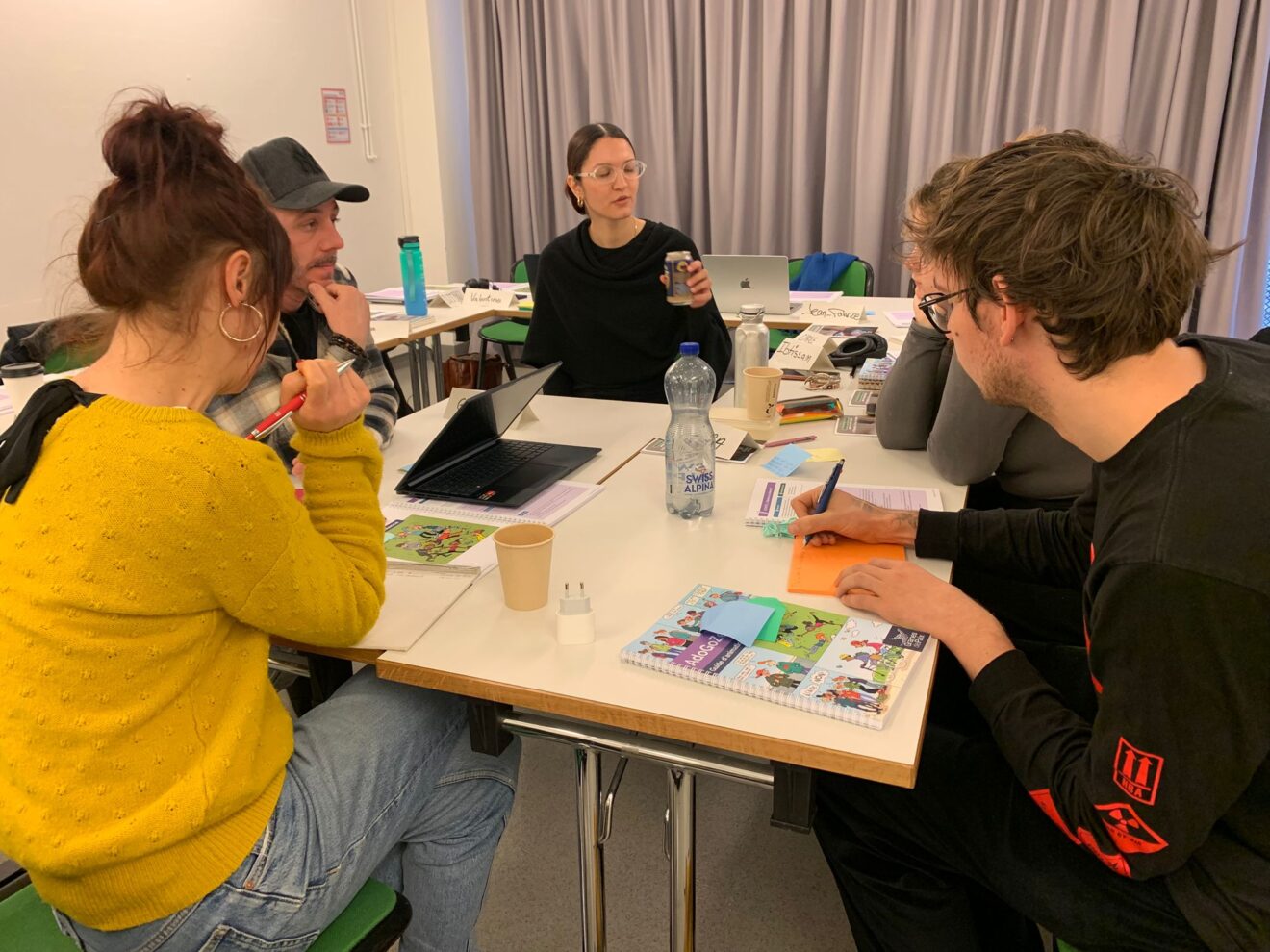
In Switzerland, the AdoGoZen program has reached a new milestone in its regional expansion: its network now includes 22 sociocultural centers across six French-speaking cantons, more than triple its initial coverage. At the same time, the first guide on bullying prevention has entered active production at Graines de Paix’s EdLab, our educational innovation lab, with a unique feature: young adults are involved in co-creating the content. Finally, the Living Well Together (BVE) program, designed for students aged 12 to 15, is being extended beyond its initial end date. A new module focused on the uses of generative artificial intelligence and its effects on school life is also in the works.
In Benin, the milestone of 10,000 teachers trained in the Graines de Paix teaching method was reached as part of the APEV-Transformation initiative, while nearly 39,000 parents were educated about nonviolent parenting in four departments in the north of the country. “Better Schools for Girls” launched its replication phase in Atacora, with an initial cohort of 440 trained teachers. The “Les Artisans de la Vie” project is building on this momentum through the “Semeurs de Paix” centers, which alone have brought together more than 7,500 parents and now include a sixth center, opened in Ouaké in June.
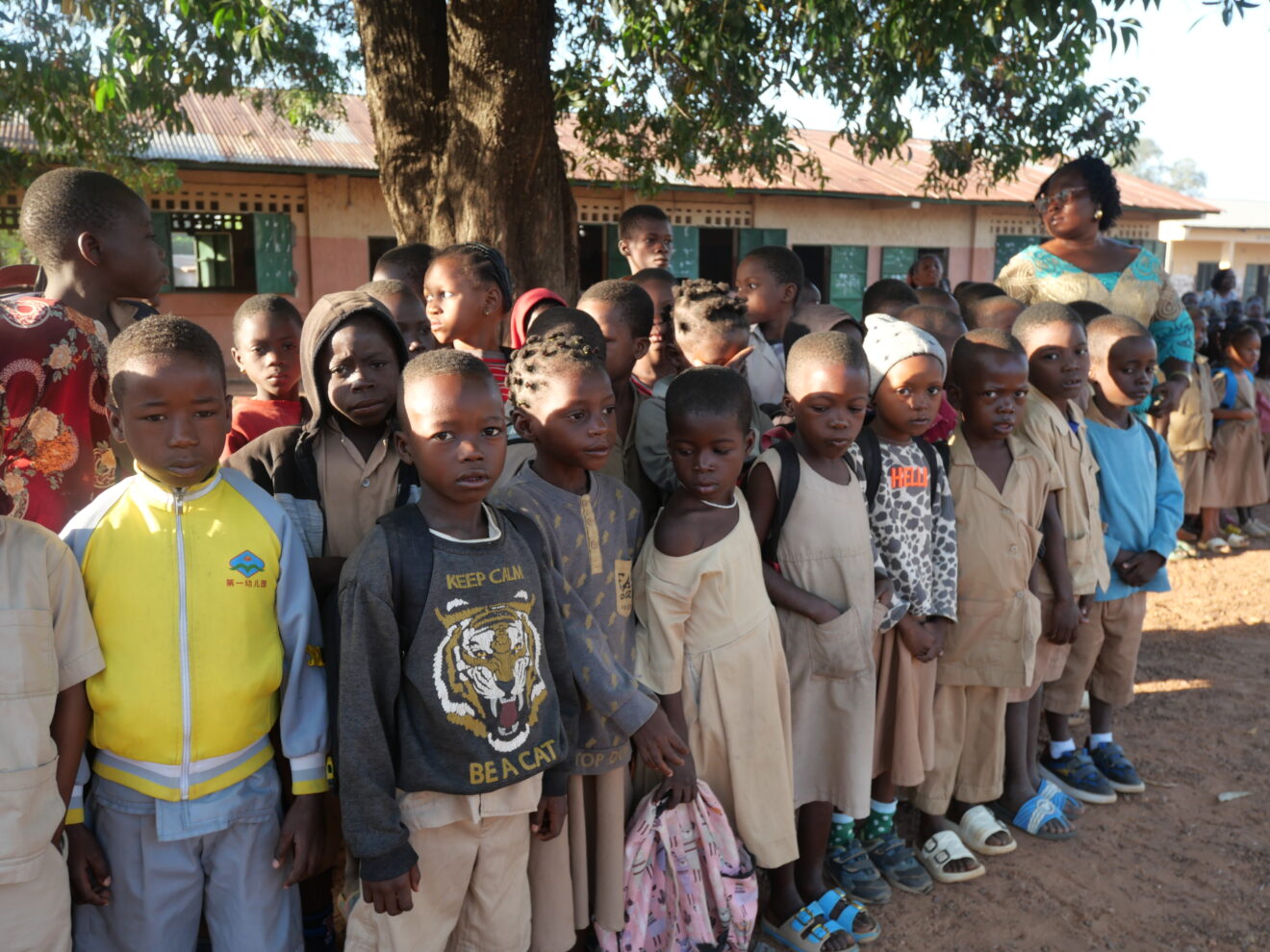
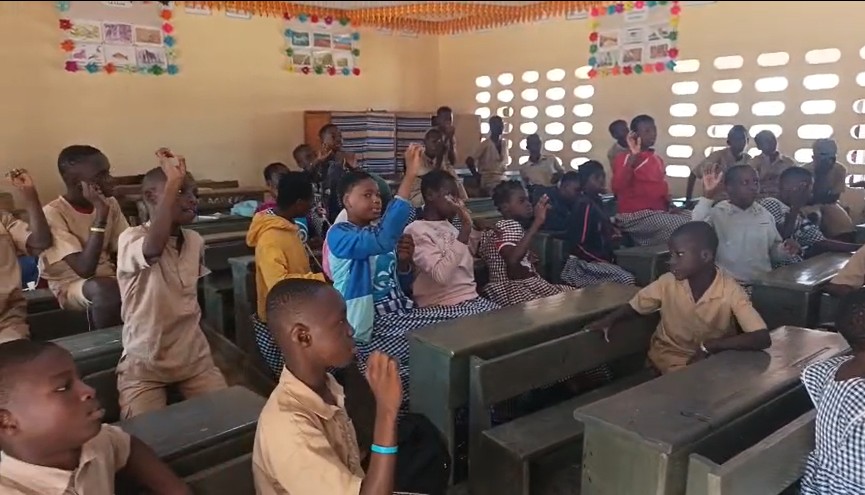
In Côte d’Ivoire, the “Léon and His Emotions” project exceeded its main quantitative goals. The traveling exhibition toured 60 schools in Abobo and Yopougon from January through March, reaching 10,420 students—more than double the initial target—51% of whom were girls. Adapted in advance with Ivorian specialists, it also demonstrated its capacity for inclusion by welcoming a class of deaf and hard-of-hearing students thanks to sign language interpretation.
Assess to Gain a Better Understanding and Make Progress
Several programs now rely on external evaluations or structured data-collection systems.
In Côte d’Ivoire, a pre- and post-intervention assessment conducted with a sample of 300 students showed significant progress: the proportion of students able to recognise joy increased from 20% to 73%.
In Benin, more than 3,600 teachers have already received classroom-based follow-up after completing their training, while a baseline study has been conducted with teachers, parents and community leaders.
In Switzerland, Living Together in Harmony program has launched an external impact evaluation led by a doctoral researcher at the University of Geneva under the supervision of a professor at the University of Lausanne. AdoGoZen, meanwhile, has begun assessing young people’s psychosocial skills when they enter the program.
This approach goes beyond simply monitoring activities. It helps us understand the trends we observe, identify necessary adjustments, and prepare for the next steps.
A transformation that unfolds over time
Taken together, these reports show that sustainable educational transformation relies on several complementary factors: the quality of resources, teacher training and support, the involvement of families and communities, dialogue with institutions, and regular evaluation of the actions taken.

These advances are made possible by the commitment of the teams, partners, education professionals, communities, and donors who support the programs over the long term.